Behind the Music

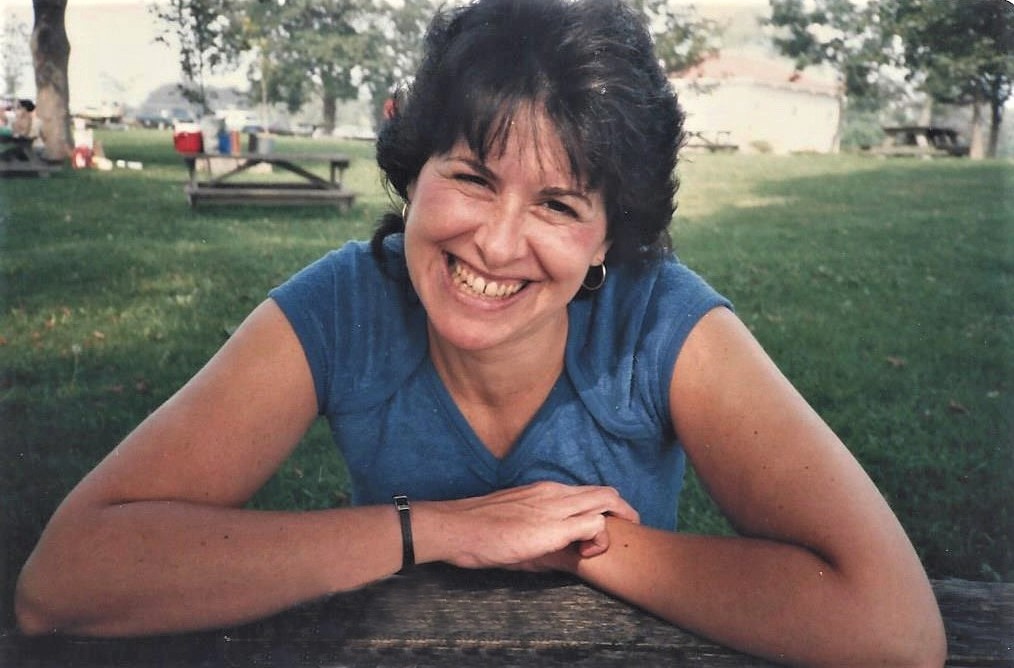
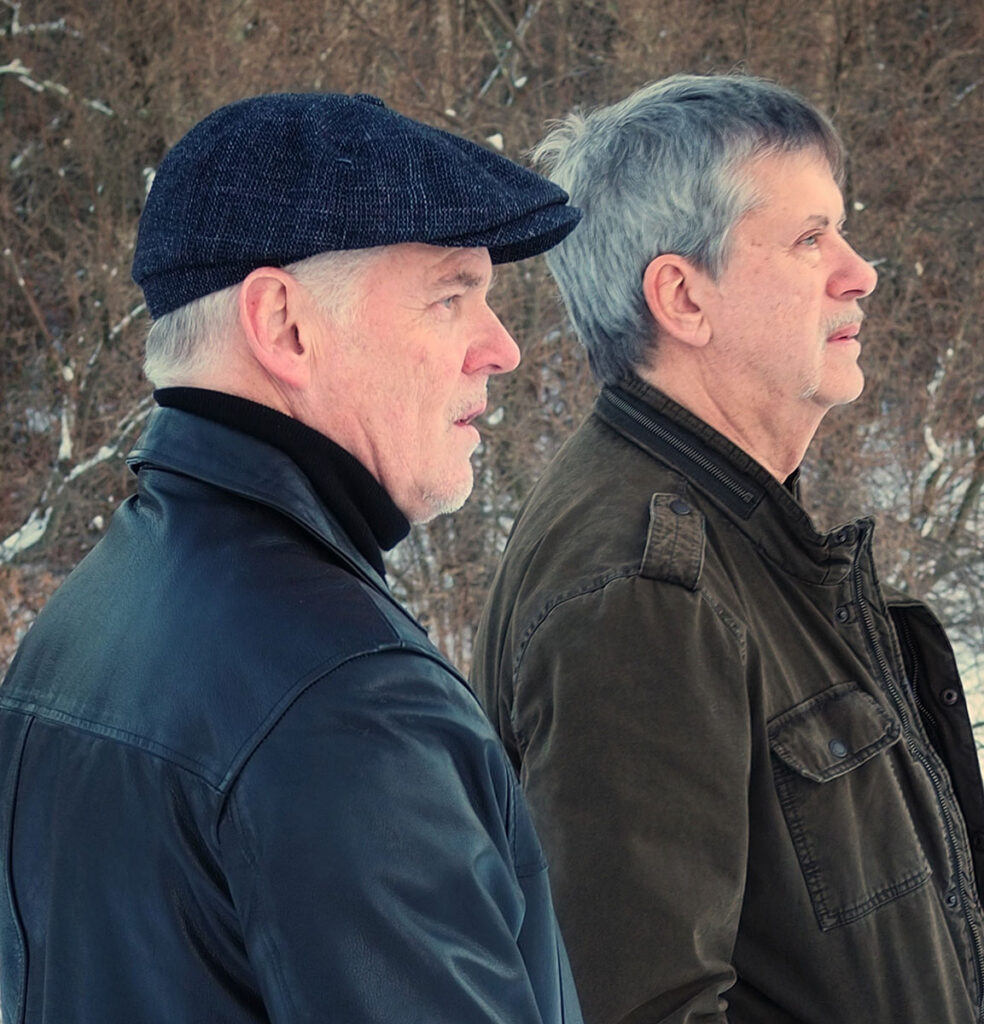
Loss, a retired correctional social worker and piano/guitar player, and Charles, a personal fitness trainer and musician/songwriter, met as trainer and client. After Maria died in 2019, Loss made several attempts at songwriting that proved fruitless. He also began working with a new personal fitness trainer at his local gym, Charles. The two shared stories of grief, because Charles, too, experienced loss in his life. Soon the conversation turned to music, and the two began sharing a love of music from the 1960s and 70s.

An instant bond developed. At age 67, Loss began writing songs and showing lyrics and music to Charles, and the two friends began to collaborate on this first album together. Adaline Ave marks Loss’ first musical venture and Charles’s return to music. Along with talented musicians and engineers, and family members singing too, Adaline Ave became a tribute to Maria and an unexpected conduit for grief and sadness.
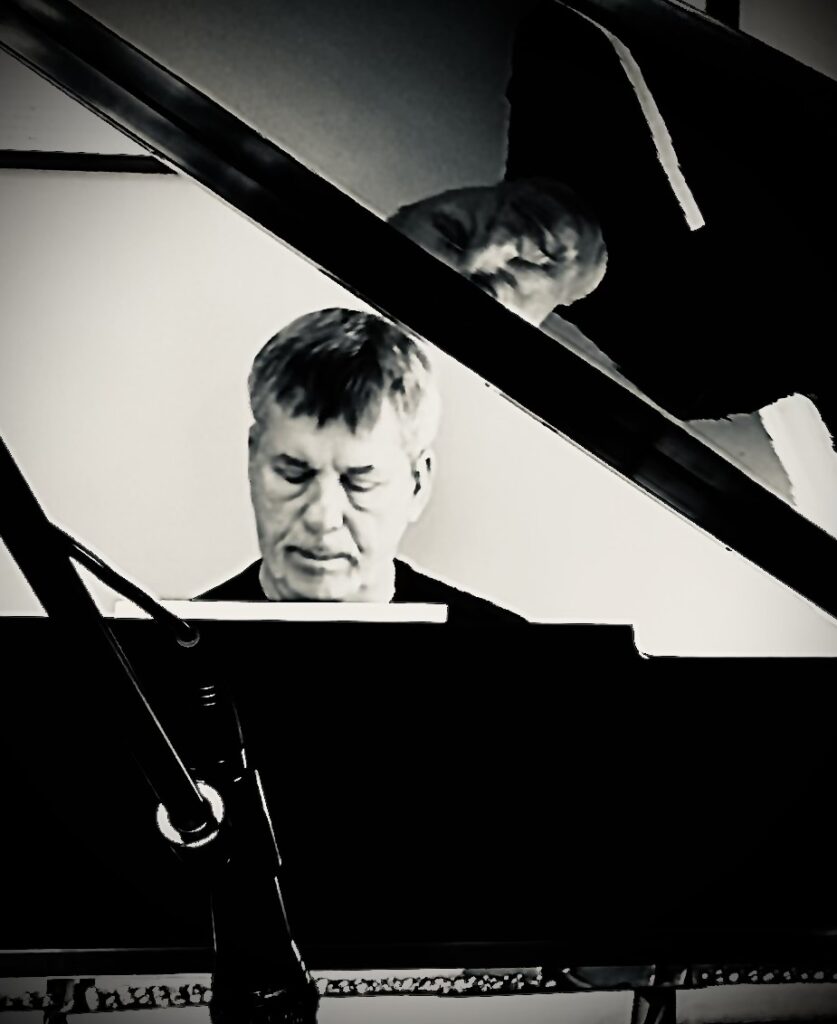

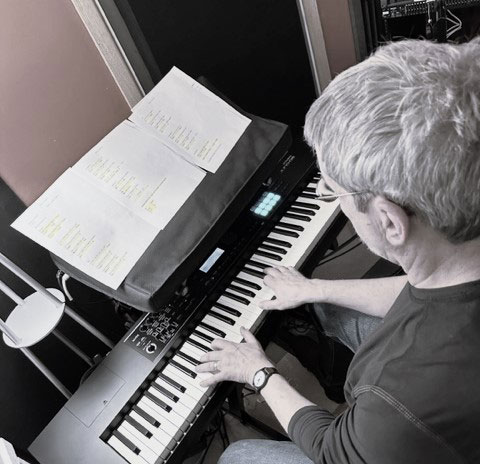
Loss played the guitar since age 12. His father was a pianist, and his mother a guitar player, filling the house and neighborhood with classical and folk music. Like every kid in America, he wanted to play like the Beatles. However, guitar lessons were book-based and Pete became frustrated that no one could show him how to play like his musical idols. Pete still couldn’t read music and turned to sheet music chords, but when he played with the albums the sheet music was invariably in the wrong key. Sheer desperation forced him to use his ears to learn the actual chords.

Loss’ father left a Steinway grand piano behind. Loss’ future wife Maria came along when they were 16. Before long, with moral support from her, he learned to play the piano by ear in 1972. Such began a lifetime of musical enjoyment, playing for friends and family, but never in public. Over the years, Maria loved Pete’s piano playing and asked him to write her a song, but he was unable.

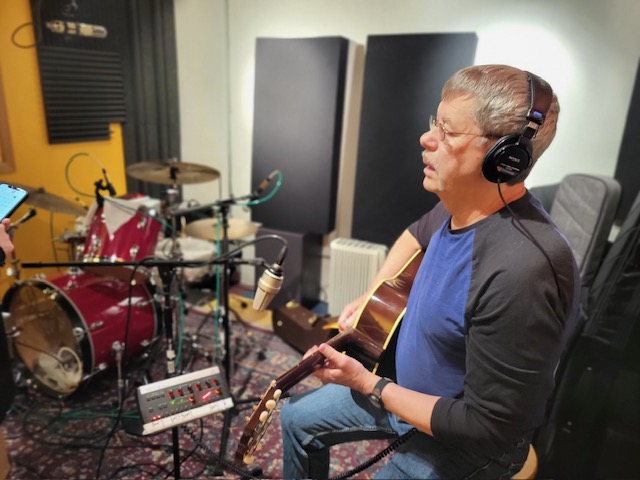
Charles was born in 1964 to a creative, artistic, and nomadic family in London. By 1970 he semi-settled in the United States, in Connecticut. Still, on the path of familial restlessness, Charles’ security blanket was music. His supportive parents and older brother were avid listeners of a variety of albums by jazz, folk, classical, and glorious Rock ‘n Roll. After years as a working musician in various fleeting bands, he finally released his debut album in 1995. Charles gained a solid following in various touring circuits around the world for 20 years, releasing 6 full-length albums and 2 EPs, and producing full albums by several independent artists. After 40 years, of facing divorce, Charles went on a professional hiatus to focus on family and hitting the reset button on his health, life, relationships, and work.

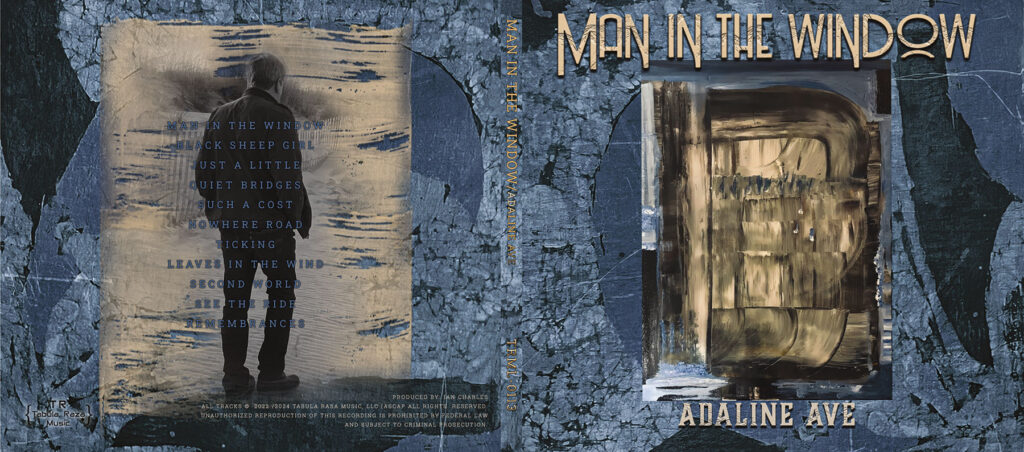
If you were to pitch the story of Man in the Window’s Adaline Ave to Hollywood producers, they might laugh you right out of the room over the implausibility of your tale. Reeling from the death of his wife and partner at the age of 16, a grieving 60-something corrections social worker who had never written a song and had only ever played his 1921 Steinway for family seeks out the services of a physical trainer. The PT he chooses happens to be a disillusioned music lifer with four decades of songwriting, performing, and production experience in his rearview mirror. As their friendship develops, the former suddenly finds himself writing the songs his wife had always urged him to write about their shared life while the latter lays aside his jaded weariness of music and begins to imagine what could be.

Steeped in the rich tradition of ‘70s piano pop and in that decade’s penchant for conceptually unified albums as well, Adaline Ave presents the listener with a strikingly paradoxical experience. It’s hard to imagine a more direct expression of grieving or a more authentic and unlikely testament to grief’s redemptive and generative properties. On the other hand, driven by joyful experimentation and what-ifs, blossoming parallel to the friendship between Pete Loss and producer/arranger/multi-instrumentalist Ian Charles, Adaline Ave achieves a homespun, sprawling studio grandeur. It is an unpremeditated epic, equal parts first-voice innocence and vivid imagination marked by bold production choices and stylistic savvy.

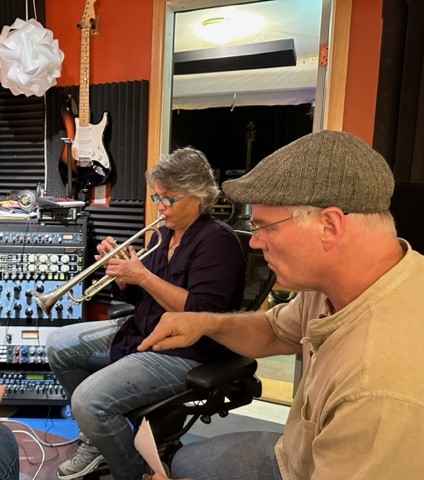
Many of Adaline Ave’s highlight tracks are reflective odes to loss. The exquisitely lush and layered “Quiet Bridges” finds grief’s analogs throughout the natural world. Copping a bluesy, trumpet-driven New Orleans swing, “Nowhere Road” transcends its own tropes to nail the vacancy and desolation of losing a life partner. Adapted from a poem written by Pete’s wife Maria in 1973, “Remembrances” begins as a story of troubled young love making its way in the world and ends with the record’s mystical peak as Pete and Maria’s daughter Jessie intones the mantra “remember” while the arrangement fades into the ether.

Elsewhere, Adaline Ave finds ample moments of buoyancy, if not levity. “Black Sheep Girl” celebrates Maria’s legacy of rebellious independence and contrarianism. A seeming throwaway, the 37 jangling seconds of “See the Ride” signify Pete and Ian’s commitment to the album as a journey of twists and surprises, a prismatic set of perspectives on loss that includes joy and gratitude for the life lived.

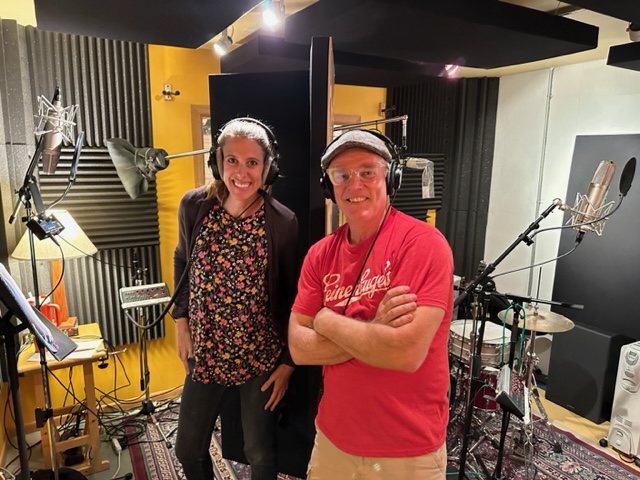
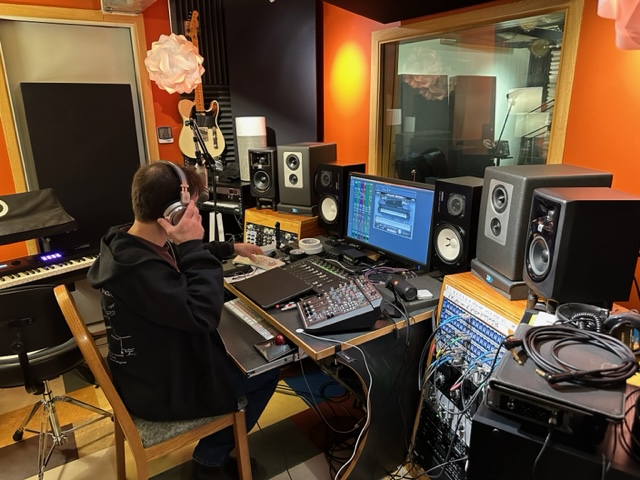
Although the native New Yorker Loss and the native Briton Charles both live in Connecticut, Adaline Ave was recorded at Split Rock Studio in New Paltz, New York, by the recording engineer and bassist Jason Sarubbi. A number of musicians from the teeming Hudson Valley music scene were recruited to provide many of the album’s flourishes.

Reflecting on the whole experience

The sudden outpouring of first songs at the age of 67, the fortuitous meeting with Charles, and the two-year road of creative discovery and healing that concluded in a record that might rightly be called an outsider masterpiece and an emotional roadmap for those dealing with grief—Pete Loss says, with a palpable sense of awe and delight, “I just can’t explain it.”

  • John Burdick, New Paltz, NY, April 2024